

 Sample Request
 Global 2026-05-29
Selection Guide for Packaging Materials for Medical Sterile Barrier Systems(SBS Packaging Solutions)


In the medical device industry, the selection of appropriate sterile packaging materials is a critical factor impacting product compliance and clinical safety. For terminally sterilized medical devices, the Sterile Barrier System (SBS) is essential to maintain sterility until the point of use.
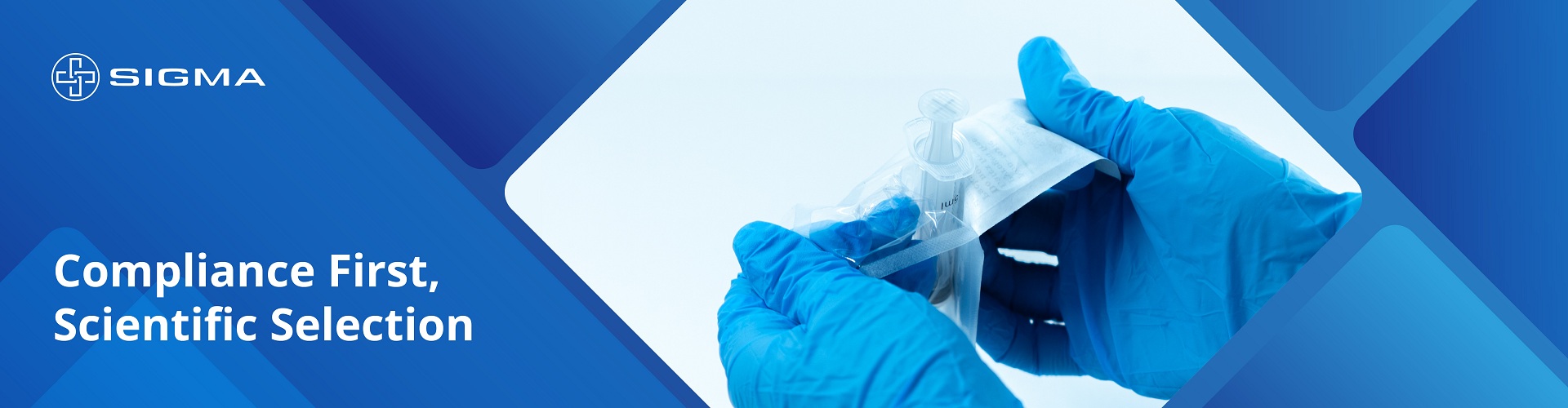
This document provides a systematic framework for SBS packaging material selection, focusing on sterilization compatibility, device characteristics, and use environment. It serves as a practical reference for medical device manufacturers.
Risks of Inappropriate SBS Packaging Materials
Improper material selection commonly results in:
- Sterilization failure due to incompatibility with the sterilization process.
- Excessive Ethylene Oxide (EO) residuals (adsorption by packaging materials).
- Package integrity failure during transport and storage.
- Poor aseptic opening performance affecting clinical usability.
These issues may lead to non‑compliance, product recalls, or patient safety risks.
What Standards Must Medical Device Packaging Materials Comply With?
SBS packaging must comply with international standards, including:
- ISO 11607: Packaging systems for terminally sterilized medical devices.
- ISO 11135: Ethylene oxide sterilization for medical devices.
- ISO 17665: Moist heat (steam) sterilization processes.
Three core requirements:
- Compatibility with the intended sterilization process.
- Stable material properties before and after sterilization.
- Maintenance of sterile barrier integrity throughout shelf life.
Material Selection by Sterilization Method
| Sterilization Method | Core Requirements | Recommended Materials | Not Recommended | Key Risks |
| Steam (Moist Heat) | Breathable, heat resistant, wet strength stable | High temperature medical paper, SMS non woven, high temp paper/plastic pouch, rigid sterilization container | Ordinary PE film | Softening, adhesion, wet strength loss |
| EO Sterilization | Gas permeable, low EO adsorption, easy desorption | Medical dialysis paper, paper/plastic pouch, Tyvek® | EO reactive coatings | Residuals, adsorption issues |
| Irradiation (Gamma/E beam) | Radiation stable, no brittleness/degradation | All plastic blister/tray + Tyvek/medical paper, paper/plastic pouch | PP, PVC, PTFE, PS, ABS | Embrittlement, chain scission |
| Plasma Sterilization | Non adsorptive, non reactive, low peroxide retention | Plasma grade breathable materials | Paper, cotton | H₂O₂ adsorption → sterilization failure |
Material Selection by Device Risk Level
| Risk Level | Core Requirements | Typical Devices | Recommended Materials |
| High Risk | Long term sterility, puncture resistance, low particulates | Implantables, interventional devices | Tyvek®, multi layer breathable film, rigid container |
| Medium Risk | Balanced protection & cost | Surgical instruments, reusables | SMS non woven, standard paper/plastic pouch |
| Low Risk | Bacteria barrier, easy opening | Disposables (intact skin contact) | Medical dialysis paper, economy paper/plastic pouch |
Impact of Storage and Transportation Conditions on Material Selection
Storage Period
- >6 months (long‑term): Tyvek®, aluminum‑plastic laminate.
- 3–6 months: SMS non‑woven.
- <3 months: Medical crepe paper, medical cotton.
Environmental Conditions
- Humid / dusty / long‑haul: enhanced tear resistance, moisture barrier, compression resistance.
- Standard warehouse: standard breathable packaging.
Device Form
- Sharp / heavy devices: puncture‑resistant, high‑tensile materials.
- Lightweight disposables: easy‑peel, low‑lint, residue‑free materials.
Trends in the Medical Packaging Industry
- Advanced materials: degradable medical packaging, high‑performance composite barriers, low‑residue easy‑open materials.
- New sterilization compatibility: dedicated materials for low‑temperature / minimally invasive sterilization.
- Regulatory leadership: continuous alignment with ISO 11607 / EN 868 and regional updates.
SBS material selection is a systematic engineering task. Reliable sterile packaging requires compliance with standards, compatibility with sterilization, matching device risk, and adaptation to storage/transport environments. SIGMA designs and manufactures in full compliance with ISO 11607 and EN 868, with strict quality control from raw material to finished product, ensuring consistent sterile protection for medical devices.